There's a version of clinical trial recruitment messaging that goes something like this:
Are you aged 40 to 65, diagnosed with COPD, a non-smoker for at least six months, with a BMI between 27 and 40? If you meet these criteria, join our study.
It may be accurate, but it's also written from the inside out.
That list answers every question the research team needs answered. However, it doesn’t answer the questions the person on the other side of the ad is actually asking. The gap between those two things is where recruitment campaigns often fall apart.
What participants are actually thinking
When someone sees a clinical trial ad, their first instinct isn't to see if they meet the criteria. Instead, they decide whether this is relevant to them and whether it's worth their time to find out more.
For someone living with a chronic condition, they've likely spent months or years navigating symptoms, adjusting their life around limitations, and searching for something that might help. They're looking for recognition, not an eligibility checklist. When they read your ad, they want to feel that whoever wrote it understands what they're going through.
A patient-centred recruitment message creates a moment of recognition that makes someone think: this is for someone like me. A summary of the study or a list of who qualifies doesn't carry the same weight because it asks before it builds trust.
What patient-centred messaging looks like in practice
When we worked with the Change Health Research Group at the University of Alberta on recruitment for a COPD and metabolic syndrome lifestyle intervention study, the eligibility criteria were specific, making recruitment challenging. Most people with metabolic syndrome aren't aware they have it, which meant we couldn't reach participants by naming a condition they didn't know they had.
Before writing a single ad, we ran a journey mapping session with the study team. The goal was to understand what potential participants were actually experiencing: what they were thinking and feeling about their health, what had already stopped them from making changes, and what might motivate them to say yes to a six-month study.
That session produced three distinct emotional entry points, each of which became a creative direction.
The first spoke to people who had tried to make lifestyle changes before and hadn't been able to make them stick. The messaging acknowledged that frustration directly, without judgment, and positioned the study as a supported path rather than another thing to attempt on their own.
The second direction was lighter. It spoke to people who had lost the ability to do things they loved because of their symptoms, and used warmth and humour to make the idea of getting back to those things feel possible rather than daunting.
The third direction was about hope. It was written for people who felt overwhelmed by the scale of the changes they knew they needed to make, and reframed progress as something that could happen incrementally, with the right support.
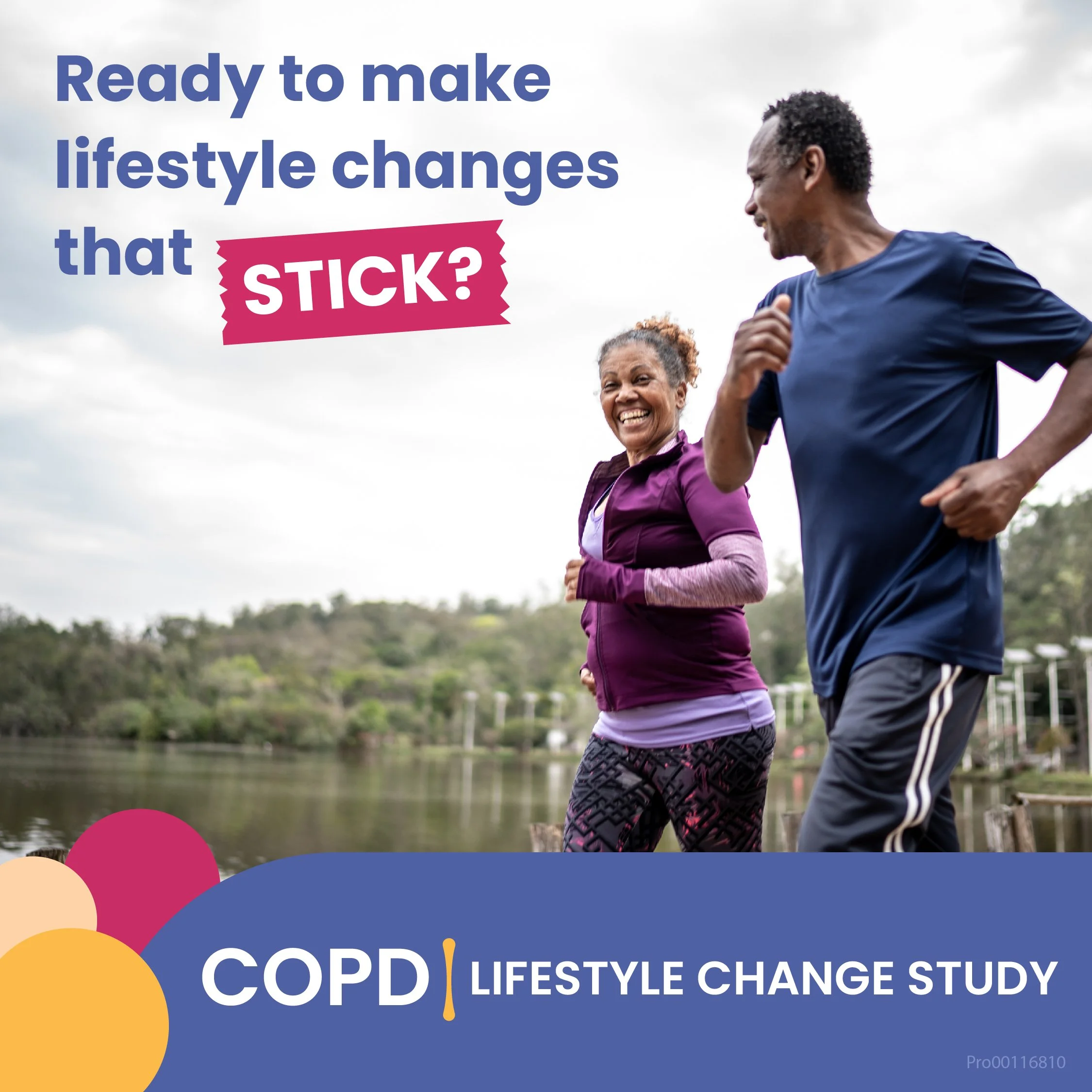
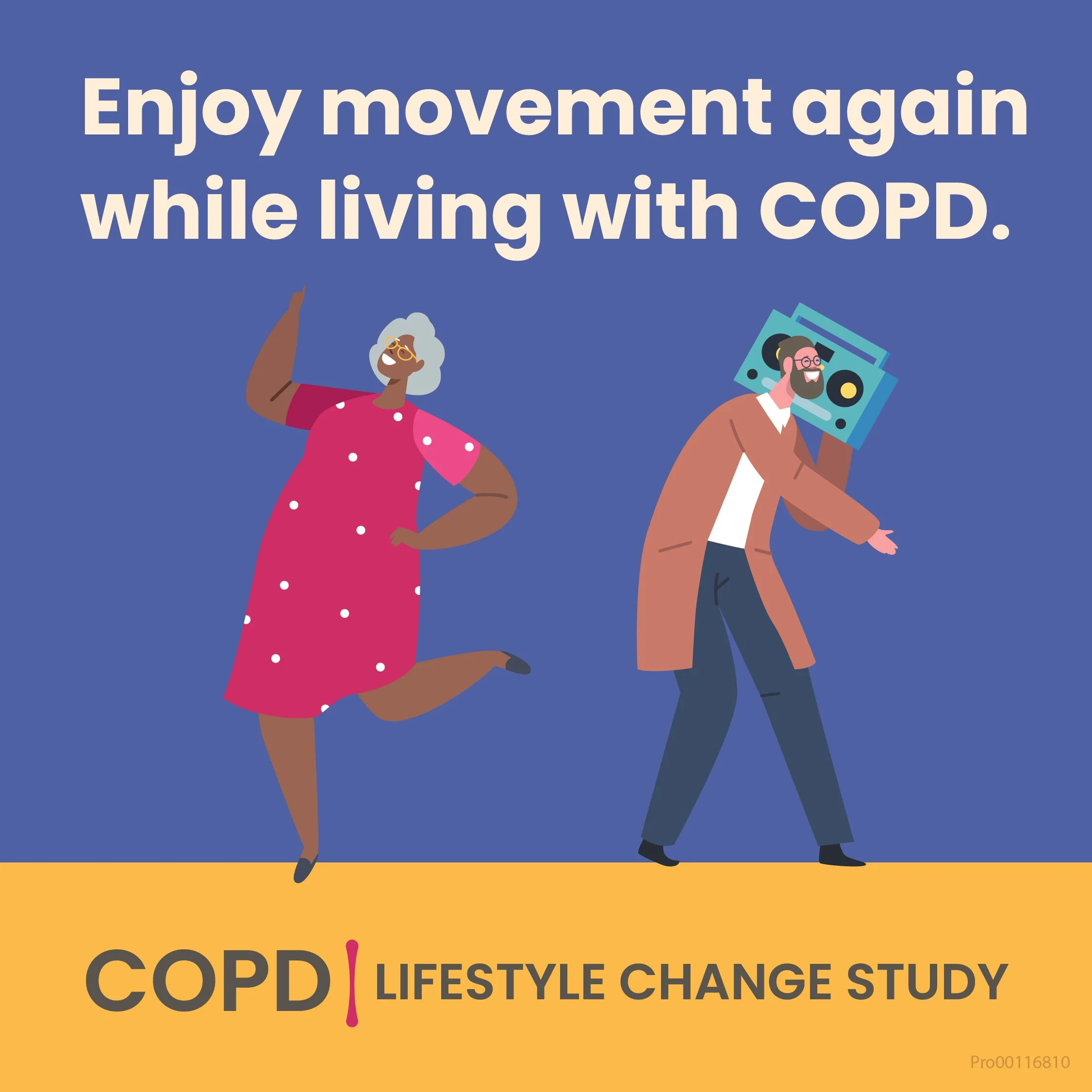
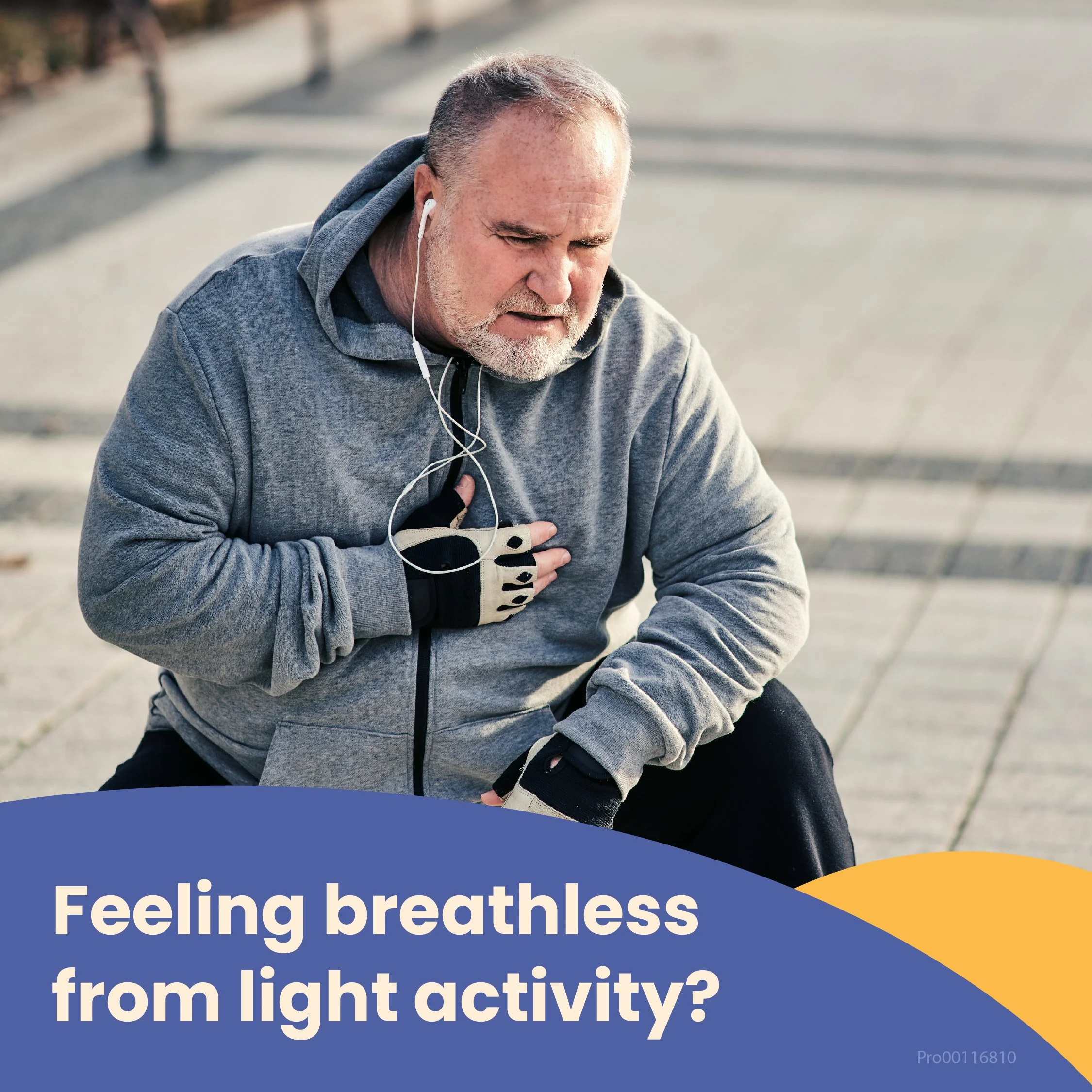
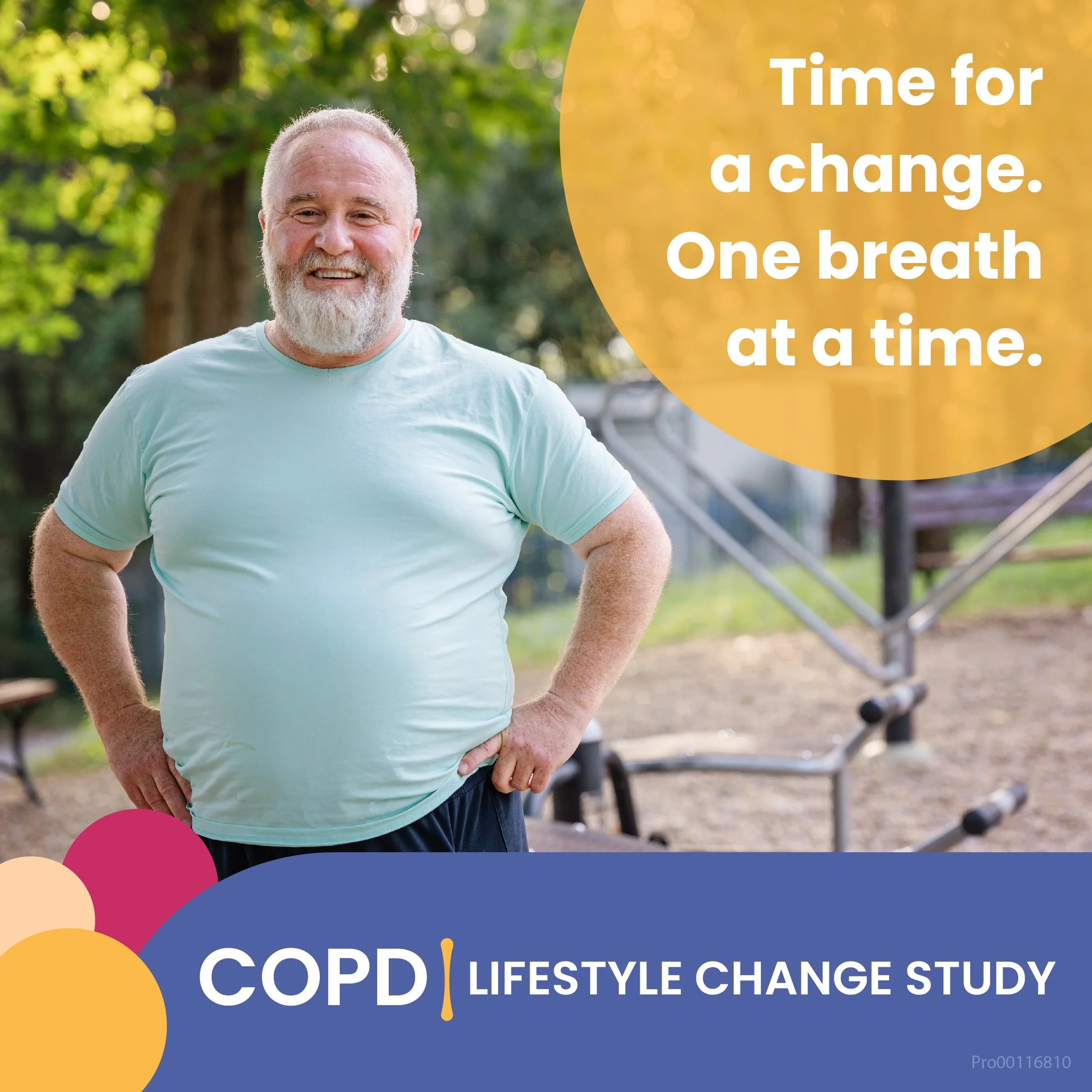
None of these ads mentioned metabolic syndrome directly. That was partly a deliberate messaging choice and partly a practical one. Meta's advertising policies impose strict limits on how health conditions can be referenced in paid ads, and we already knew our audience might not even be aware they had it. If you're planning a digital recruitment campaign and haven't thought through how Meta's policies will affect your messaging, it's worth reading our guide on navigating Facebook's advertising policies for clinical trials before you build your creative.
By focusing on the participant's experience rather than their diagnosis, the ads reached people through their daily reality, not their medical record. The campaign generated over 300 form submissions in three months, enough for the Change Health team to meet their recruitment goals.
When there's no condition to lead with
Recruiting healthy volunteers presents an entirely different challenge. There's no shared experience of symptoms to speak to, no frustration with a condition to acknowledge, no hope for relief to offer. The person you're trying to reach isn't looking for a solution to a problem. They're being asked to take on a small risk for the benefit of research that may help other people.
That's a harder ask. And it requires a different kind of creative thinking.
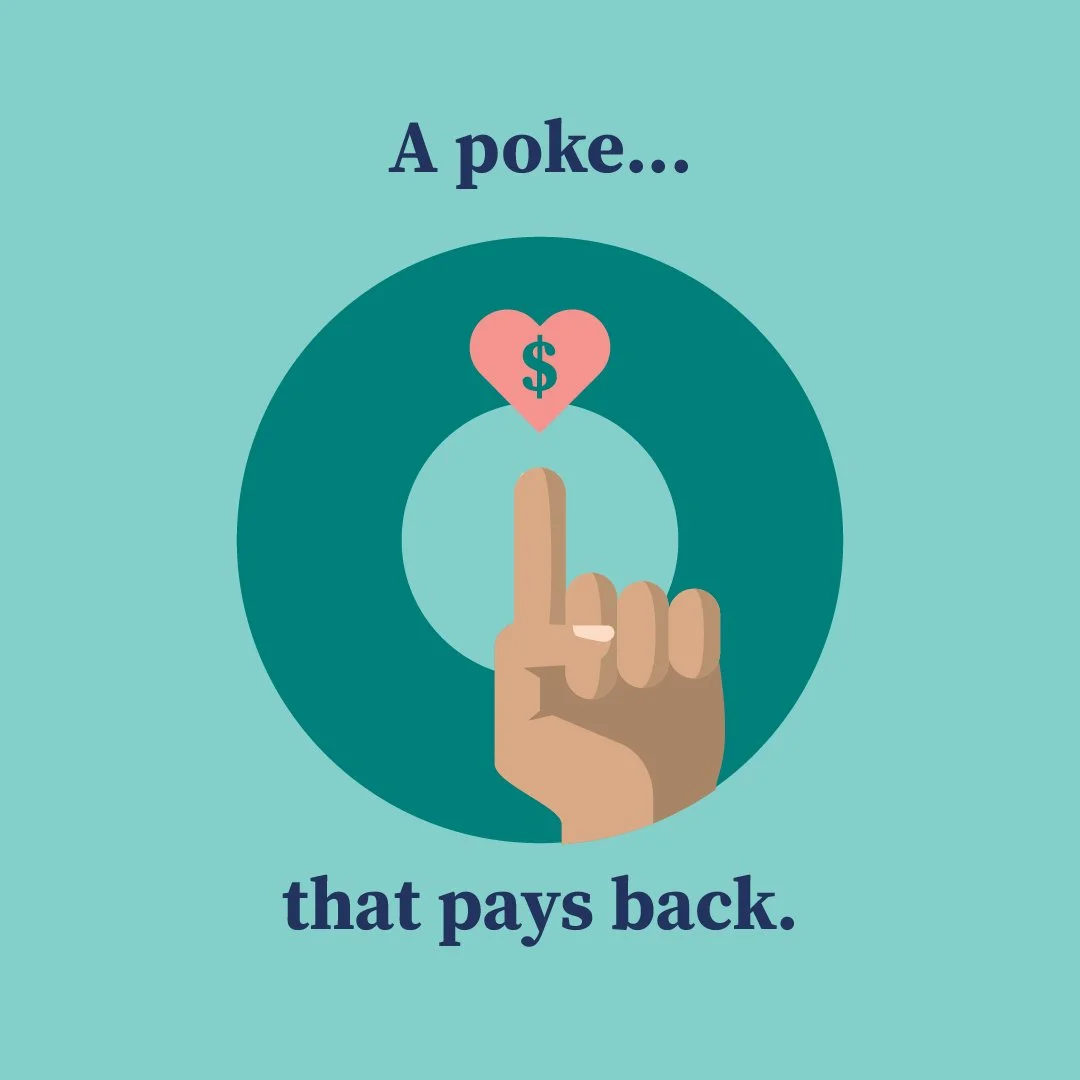
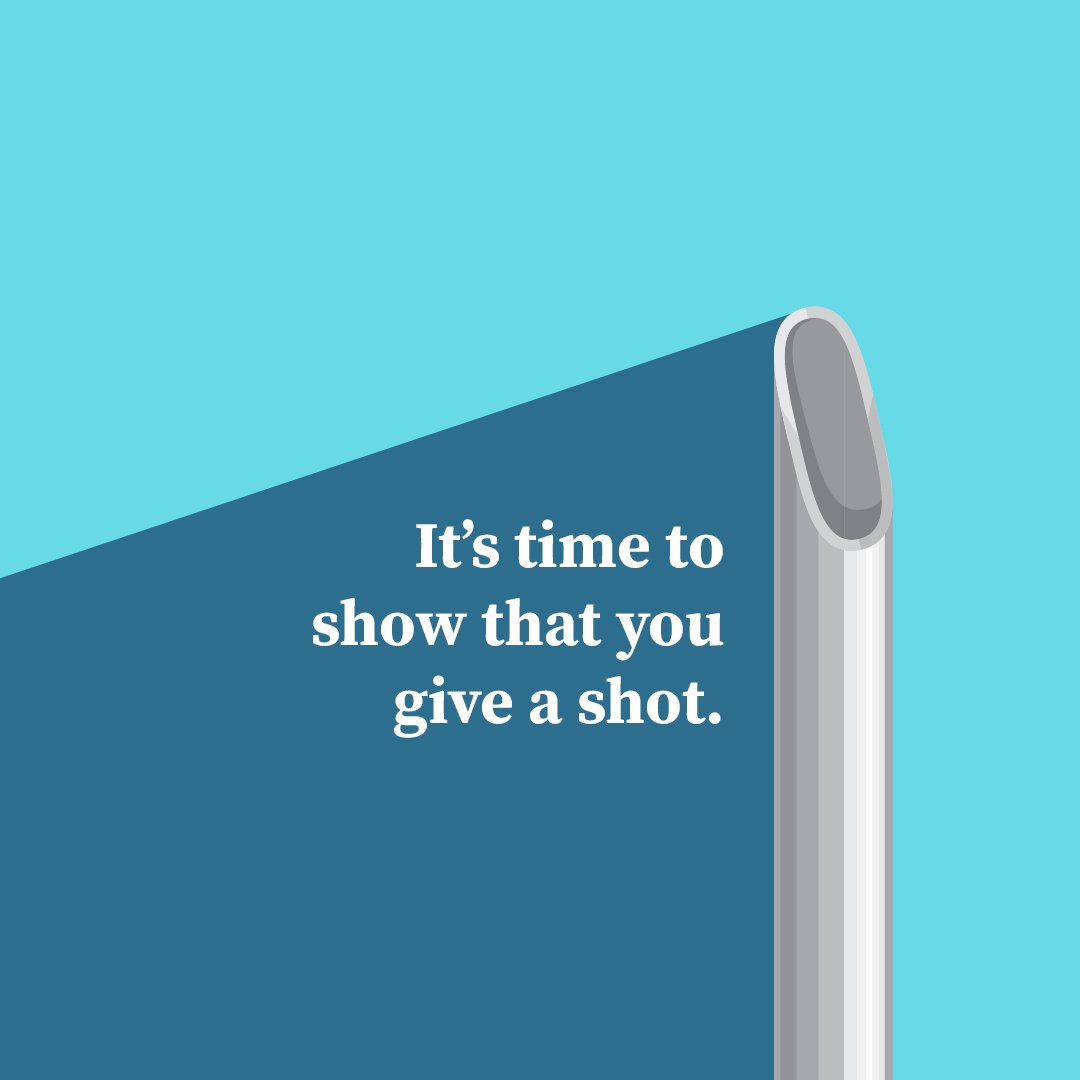
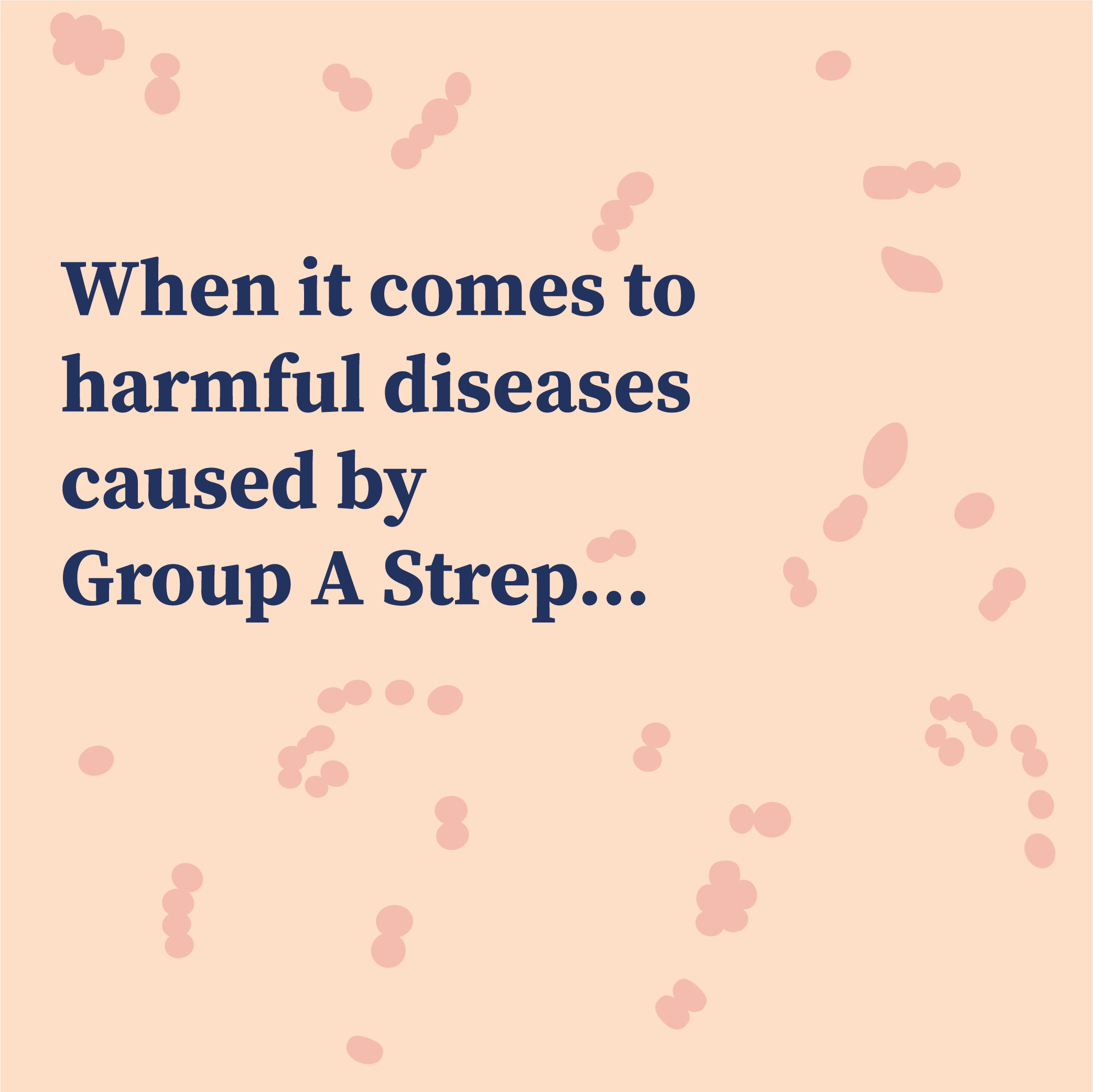
For a first-of-its-kind Group A Streptococcus vaccine study at the University of Alberta, we needed 30 healthy participants willing to receive an experimental vaccine for a disease that primarily affects children and marginalized communities. The emotional logic of empathizing with a condition didn't apply here. So we led with something else: wit, altruism, and transparency about compensation.
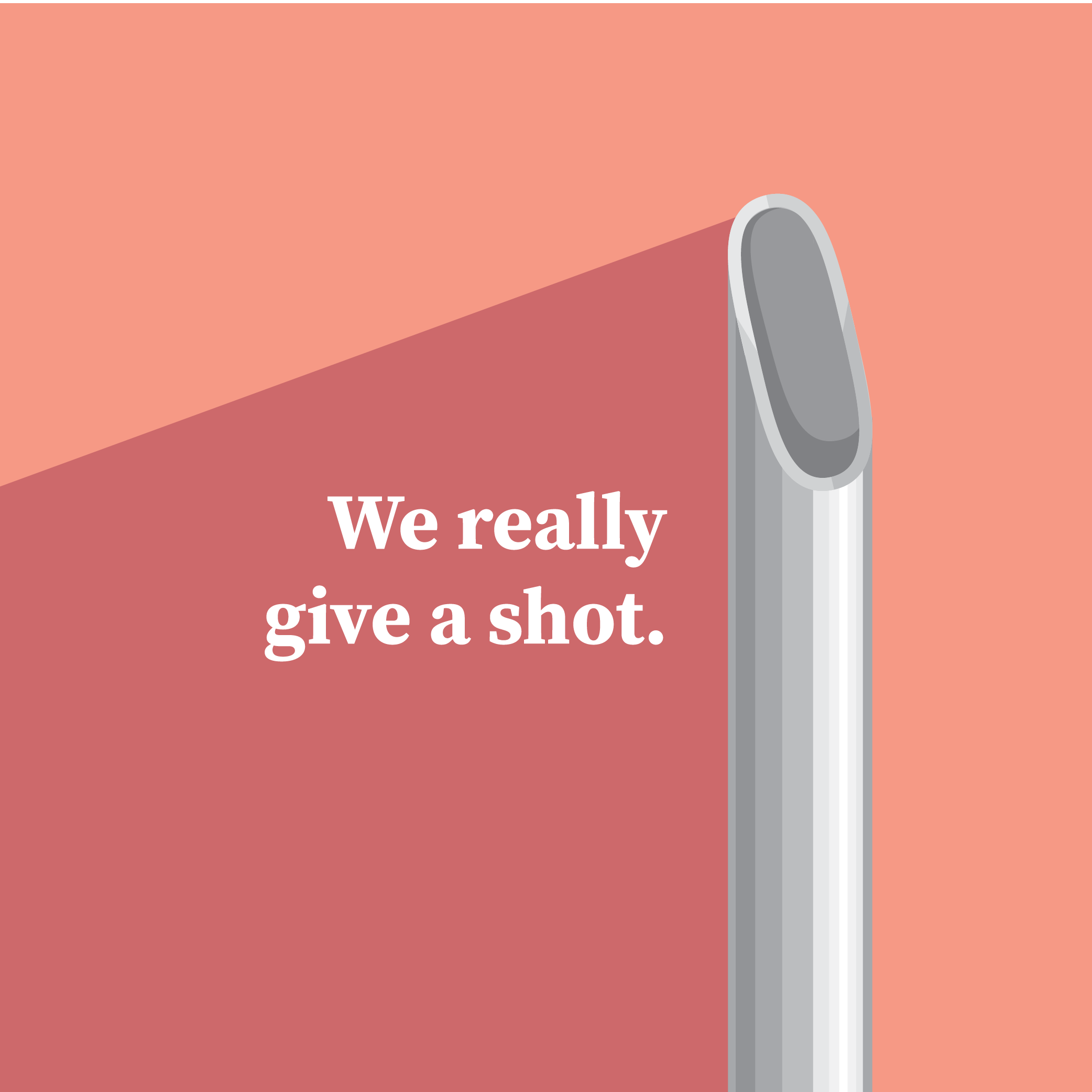
The campaign used puns that did double duty. "A poke that pays back" acknowledged the vaccine component directly, made it clear participants would be compensated for their time, and made the reader smile in the process. "It's time to show that you give a shot" leaned into the altruism angle with enough humour to earn attention before making the ask. The tone was light, but the underlying message was serious: your participation matters, and it contributes to something meaningful.
Where the COPD campaign built trust through emotional recognition, the Group A Strep campaign built trust through honesty and a shared sense of purpose. Both approaches are patient-centred, but they express it differently because the person on the other side of the ad is in a very different situation.
The methodology behind patient-centred recruitment
The reason these two campaigns landed on such different creative approaches isn't that we guessed right; it's that we asked different questions before we wrote anything.
Journey mapping is the exercise that makes this possible. It's a structured conversation with the people closest to the study population, designed to surface what potential participants think, feel, and do at each stage of their decision-making. It's the difference between writing an ad based on what you know about the study and writing an ad based on what you know about the person. We wrote in more detail here about how journey mapping works.
Your study’s eligibility criteria still matter. They belong in the screening process, the consent form, and the landing page. They just don't belong in the first line of your ad. By the time a potential participant is reading your inclusion criteria, they've already decided the study might be worth their time. Patient-centred messaging is how you get them there.
